
What Sleep, Hormones, and Metabolism May Be Trying to Tell You
If you feel like your body suddenly changed after turning 30… you’re not imagining things.
The same diet that once worked now feels useless.
Your energy drops. Your results slow down.
And that stubborn visceral fat? It just won’t go away.
Here’s the truth:
Your body may be fighting against you in ways most diets never address.

What’s Really Happening to Your Body
After 30, your metabolism doesn’t just “slow down.”
Your body starts shifting how it stores fat, regulates hormones, and processes energy.
And one of the biggest changes?
Your body becomes more resistant to burning stored fat — especially around the belly.
Why Diets Stop Working

Slower Metabolism
Your body burns fewer calories — even at rest.

Hormonal Changes
Cortisol and insulin shifts increase fat storage.

Increased Fat Storage
Your body prioritizes storing energy instead of burning it.
Most diets are built for a younger metabolism.
They rely on calorie restriction — not metabolic support.
So while you eat less…
your body adapts, slows down, and holds onto fat even harder.
That’s why you feel stuck.
The Role of Cortisol and Stress
Chronic stress may be doing more damage to your metabolism than most people realize.
When cortisol levels stay elevated for long periods, the body may shift into a “fat storage” state — especially around the abdominal area.
At the same time, stress can disrupt sleep quality, increase cravings, reduce energy levels, and make healthy habits harder to maintain consistently.
This creates a frustrating cycle:
less sleep, more stress, slower metabolism, and increasing difficulty losing visceral fat.
And for many adults over 30, this cycle happens silently.
The Sleep Factor Most People Ignore
Poor sleep may silently affect your metabolism, hunger signals, and fat storage patterns.
The connection between sleep and metabolism may be stronger than most people realize.
According to research published by Harvard Medical School, sleep quality and metabolic health are deeply connected.
When your body doesn’t reach deep, restorative sleep, it produces more cortisol — a hormone strongly linked to cortisol and belly fat accumulation.
This means that even if you eat well and exercise, your body may still resist fat loss.
Improving sleep isn’t optional.
Sleep may be one of the most overlooked parts of long-term metabolic health.
Natural Compounds That May Support Metabolism During Sleep
Researchers have identified certain natural compounds that may help support metabolic function during sleep.
Some ingredients are being studied for their potential to:
- support healthy metabolic activity;
- promote deeper, more restorative sleep;
- help regulate stress-related hormonal signals;
- support nighttime fat oxidation;
- improve recovery and overnight energy balance.
This is where nighttime metabolic support becomes different from traditional stimulant-based approaches.
Instead of forcing temporary energy spikes, the goal is to support the body’s natural recovery processes while you sleep.
Where Most Supplements Fail
Most products on the market focus on stimulants.
They give you energy — but don’t fix the root problem.
That’s why results don’t last.
What Is Resurge?
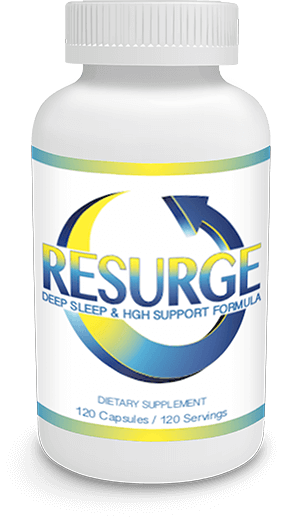
Resurge is a nighttime metabolic support formula designed to work alongside the body’s natural overnight recovery process.
Instead of focusing on stimulants or aggressive fat burners, its formula is centered around sleep quality, metabolic support, and nighttime recovery.
The idea is simple:
better restorative sleep may help support healthier metabolism, energy balance, and long-term weight management.
For adults struggling with stubborn visceral fat, poor sleep, and metabolic slowdown after 30, this different approach may feel more aligned with what the body actually needs.
Key Benefits


• Supports healthy metabolism
• Helps reduce stubborn belly fat
• May improve energy levels
• May support deeper, more restful sleep
• Made with natural, plant-based, non-GMO ingredients
Who May Benefit Most From This Approach?
This type of nighttime metabolic support may be especially interesting for adults who:
- feel like fat loss became harder after 30;
- struggle with stubborn visceral fat;
- experience poor sleep or low recovery;
- feel constantly stressed or mentally exhausted;
- notice slower metabolism despite healthy habits;
- want a more sustainable wellness-focused approach.
Pros and Cons
Pros:
• Natural ingredients
• Easy to use
• No extreme diets required
Cons:
• Only available online
• Results vary per person
Final Verdict
If you’ve been struggling with stubborn belly fat after 30, it may not be about trying harder — but trying differently.
Supporting your metabolism could be the missing piece.
If you want to learn more about how this formula works and see real user experiences, you can check the official website below.
Frequently Asked Questions About Belly Fat After 30
What causes visceral fat after 30?
As we age, metabolism naturally slows down and hormonal changes may affect how the body stores fat. Stress, sleep quality, and lifestyle habits can also contribute to increased visceral fat accumulation.
Can sleep affect belly fat?
Yes. Poor sleep may impact hormones related to appetite, metabolism, and fat storage. Consistent, high-quality sleep plays an important role in overall metabolic health.
Is visceral fat dangerous?
Excess visceral fat has been associated with various metabolic and cardiovascular health concerns. Maintaining a healthy lifestyle may help reduce these risks.
Do metabolism-support supplements really work?
Certain plant-based ingredients have been studied for their potential role in supporting metabolism, energy balance, and fat oxidation. Results vary from person to person.
Is Resurge a replacement for diet and exercise?
No. Supplements should complement healthy habits, including balanced nutrition, regular movement, hydration, and proper sleep.
Can poor sleep really affect belly fat?
Poor sleep may affect hormones related to hunger, stress, and metabolism. Some studies suggest that inadequate sleep can increase cortisol levels and make fat loss more difficult over time.
Why does metabolism slow down after 30?
As we age, factors like hormonal changes, muscle loss, stress, and sleep quality may gradually reduce metabolic efficiency. This can make weight management more challenging compared to earlier years.
Is Resurge designed to work during sleep?
Resurge is marketed as a nighttime metabolic support supplement designed to be taken before bed. Its formula focuses on ingredients associated with sleep quality, recovery, and metabolic support.